
Get the Best Window Tint Near Me: Quality Installation and Benefits Explained
Understanding Window Tint Near Me
What is Window Tint?
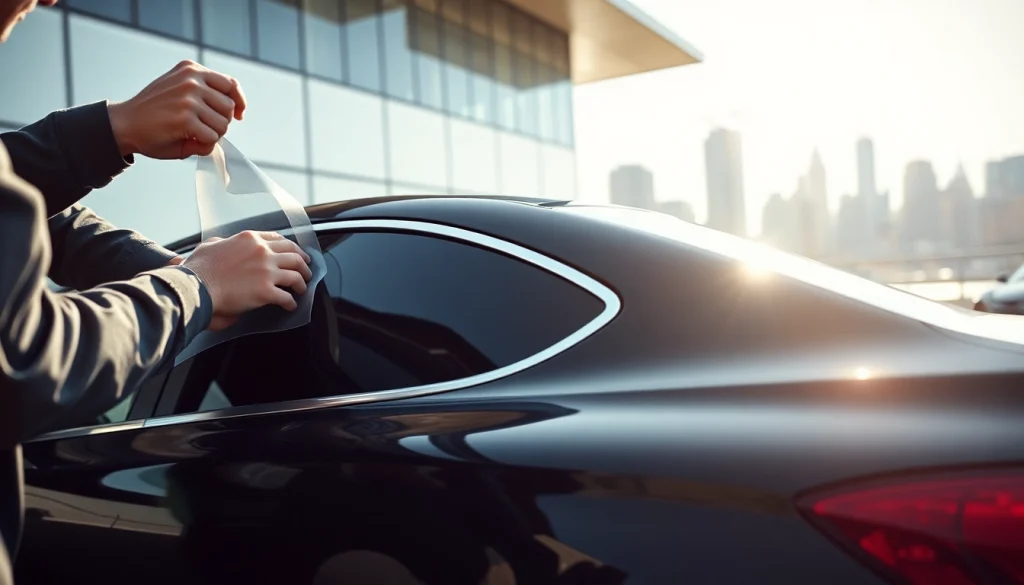
Window tinting involves applying a thin film to the windows of vehicles or buildings. This film can vary in thickness, color, and reflectivity and serves various purposes, such as privacy, UV protection, and heat reduction. The materials used for window tints typically include polyester combined with dyes, metals, and adhesives, creating a versatile application that suits numerous needs.
Benefits of Window Tinting
Among the myriad of benefits associated with window tinting, several key advantages stand out:
- Heat Reduction: Window tints can significantly lower interior temperatures by reflecting or absorbing heat from sunlight, ensuring a more comfortable ride or living environment.
- UV Ray Protection: High-quality films block up to 99% of harmful ultraviolet (UV) rays, protecting occupants’ skin and the interior of vehicles from fading and deterioration.
- Enhanced Privacy: Tinted windows provide added privacy, shielding passengers from outside view and enhancing security.
- Glare Reduction: Tinting minimizes glare from sunlight, making it easier for drivers to see and reducing eye strain.
- Aesthetic Appeal: Various tint options allow for customization, enhancing the visual appeal of vehicles and buildings.
Choosing the Right Tint for Your Vehicle
Selecting the right window tint involves considering several factors, including the type of vehicle, desired appearance, and local regulations. It’s crucial to choose a tint that strikes a balance between aesthetics and functionality. Here are some tips for making the right choice:
- Types of Films: Understanding the differences between dyed, metalized, and ceramic films can guide your choice based on your needs.
- Light Transmission: Consider how much light you want to allow into your vehicle. Tints come in various shades, and choosing the appropriate Visible Light Transmission (VLT) level is crucial.
- Local Laws: Be aware of local regulations concerning window tinting, including the maximum legal limits on darkness and reflectivity.
Choosing a Local Window Tint Service
How to Find Window Tint Near Me
Finding reliable window tint services near you can greatly influence the quality of the installation and the results you achieve. Start by conducting an online search for window tint near me. Consider checking online reviews, asking for recommendations from friends or family, and visiting forums dedicated to automotive care. Explore various options, paying special attention to their reputation and previous work examples.
Questions to Ask Your Installer
After identifying a few potential installers, direct communication is essential. Here are key questions to ask:
- What brands of film do you use? Knowing the quality of the film gives insight into durability and effectiveness.
- Are you certified? Installers should hold certifications from film manufacturers to ensure they correctly apply the product.
- What is your warranty policy? Understanding warranty coverage will help you assess long-term value and protection.
- How long will the installation take? This helps you plan accordingly and understand potential downtimes.
Comparing Local Tint Services
Don’t settle on the first installer you find. Instead, compare multiple services based on several criteria:
- Experience: Look for installers with years of experience and a solid portfolio of work.
- Cost: While price shouldn’t be the sole determining factor, understanding the average costs can help you gauge fairness.
- Customer Satisfaction: Review testimonials and ratings from previous customers to evaluate satisfaction levels.
The Installation Process
Preparation for Tint Installation
Before the installation begins, proper preparation is essential both for the installer and the vehicle owner. Ensure that the vehicle is clean, especially the windows, to facilitate adherence and a smooth finish. Remove any existing tint if applicable, and consider setting aside adequate time for the process, which can take several hours, depending on the vehicle size and complexity.
Step-by-Step Tint Application
The installation process involves several steps:
- Cleaning: Thoroughly clean the windows to remove dust, debris, and grease.
- Measuring: Measure the windows to cut the film accurately.
- Cutting: Cut the film to size, ensuring it fits each window precisely.
- Applying the Film: Carefully position the film on the window and use a squeegee to smooth it out, removing any air bubbles.
- Trimming Edges: Trim away any excess film from the edges for a finished appearance.
- Drying/Baking: Allow the film some time to cure before rolling down windows.
Post-Installation Care
After installation, it is crucial to follow care instructions to ensure the longevity of the tint:
- Avoid rolling down the windows for at least 48 hours to let the film adhere correctly.
- Keep tinted windows clean using non-abrasive cleaners and soft cloths. Harsh chemicals can degrade the tint.
- Regularly inspect for any imperfections or bubbles, addressing them promptly to maintain an impeccable appearance.
Legal Considerations
Window Tint Laws by State
Window tint regulations vary by state, with specific requirements for darkness and reflectivity. As such, it is essential to familiarize yourself with your local laws before proceeding with tint installation:
- Consult your state’s Department of Motor Vehicles (DMV) or its equivalent for guidelines on legal tint levels.
- Also, keep an eye on any changes in legislation, as tint laws can shift, impacting compliance.
Understanding VLT Ratings
Visible Light Transmission (VLT) refers to the percentage of light that passes through the window. States may set upper limits on VLT to ensure visibility and safety on the roads:
- Higher VLT (e.g., 70% and above) means more visible light passes through, thus lighter films.
- Lower VLT (e.g., below 35%) implies darker films, which may comply with certain state regulations.
What Happens if You Violate Tint Laws?
Violating window tint laws can lead to various repercussions, including fines, mandatory removal of illegal tint, and potential points on your driving record, depending on your state’s laws. Persistent violations may even result in increased penalties, making compliance crucial.
Maintaining Your Window Tint
Best Practices for Tint Care
Maintaining your window tint ensures its longevity and performance. Here are best practices:
- Cleaning: Use a gentle cleaner and a microfiber cloth; avoid ammonia-based products.
- Avoid Abrasive Materials: Never use brushes or scrubbers that can scratch the film.
- Regular Inspections: Periodically check the tints for cracks or bubbles and address issues immediately.
Common Issues with Window Tint
Common problems can arise with window tint that require attention:
- Bubbling: Caused by improper installation or moisture trapped beneath the film.
- Peeling: Can occur from wear and tear or using harsh cleaning products.
- Fading: Low-quality tints may fade over time due to UV exposure.
When to Seek Professional Help
Not all issues can be resolved with DIY methods. It’s best to consult a professional when:
- You notice significant bubbling or peeling that impacts visibility.
- The tint appears to be fading or discoloring significantly.
- You are considering replacing old tint with a fresh installation.
FAQs
1. How long does window tint last?
Most window tints last between 5 to 10 years with proper care, depending on the quality of the film and the installation.
2. Does window tint affect visibility?
Quality tints are designed to maintain visibility while reducing glare. Properly installed tints won’t significantly impair visibility.
3. Can I do a DIY window tint?
While possible, professional installation ensures better results and longevity. Errors in DIY can lead to costly repairs.
4. Is window tint covered under warranty?
Many professional services offer warranties; check with your installer about their warranty policy to safeguard your investment.
5. How do I clean tinted windows?
Use a soft cloth and a non-abrasive cleaner specifically designed for tinted surfaces to avoid damaging the tint.