
Maximizing Engagement Through Effective Sports Broadcasting Techniques
Understanding Sports Broadcasting Fundamentals
Defining Sports Broadcasting
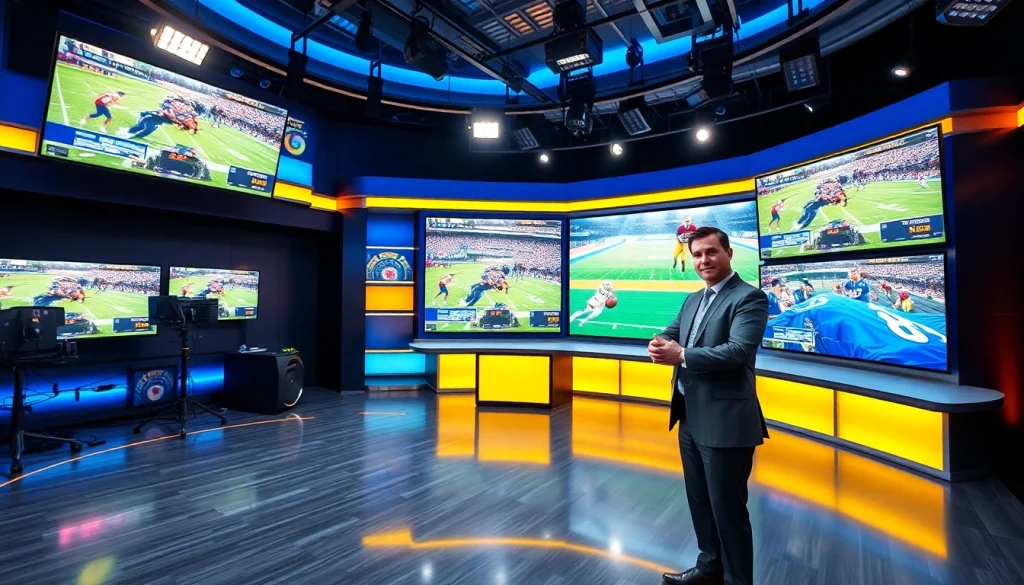
Sports broadcasting refers to the dissemination of sports-related content via television, radio, or online platforms. This sector plays a crucial role in bringing live sports events to fans, providing commentary, analysis, and interactive experiences that enhance viewer engagement. With the rise of digital media, the landscape of sports broadcasting is continuously evolving, catering to diverse audiences while maintaining high production standards. The significance of this field cannot be overstated, as it serves as the primary means through which passionate fans connect with their favorite teams and athletes. For those interested in exploring this dynamic field, Sports Broadcasting offers a platform for knowledge and education.
The Role of Technology in Sports Broadcasting
Technology is the backbone of modern sports broadcasting. Advances in video production, streaming services, and augmented reality have transformed the way audiences experience sports. High-definition cameras, drones, and 360-degree video technology offer viewers immersive experiences that were once unimaginable. Additionally, the integration of graphics and instant replay systems enables broadcasters to enhance storytelling, providing context and deeper insights during live events. As technology continues to develop, the potential for further innovation in sports broadcasting remains vast, inviting new ways for fans to engage with their favorite sports.
Key Players in the Industry
The sports broadcasting industry comprises various key players, including major networks, streaming platforms, and production companies. Network broadcasters often hold exclusive rights to transmit large sporting events, while digital services have begun to carve out their niche by offering on-demand content and innovative viewing options. Production teams, including camera operators, sound engineers, and editors, work behind the scenes to create polished broadcasts that fulfill the expectations of both viewers and advertisers. This collaborative environment underscores the importance of various roles contributing to the overall success of sports broadcasting.
Essential Skills for Success in Sports Broadcasting
Communication and Presentation Skills
Effective communication is paramount in sports broadcasting. Broadcasters must possess the ability to convey information clearly and engagingly while maintaining a professional demeanor. Presentation skills are equally crucial, as onscreen talent must captivate audiences with their charisma and charisma. This combination of skills helps enhance the audience’s viewing experience, making for a more enjoyable and informative broadcast. Aspiring sports broadcasters should invest time in developing these skills, as they are essential for building a successful career in the industry.
Research and Analysis Techniques
A strong foundation in research and analysis is critical for sports broadcasters. Understanding the nuances of various sports, player statistics, and historical trends allows broadcasters to provide accurate and compelling commentary. This skill set also aids broadcasters in preparing for interviews and discussions, enhancing the overall quality of the broadcast. Additionally, mastering analytical techniques enables broadcasters to dissect game footage and present insights that inform and entertain viewers.
Working with Production Teams
Collaboration with production teams is an essential aspect of sports broadcasting. Broadcasters must work closely with directors, producers, and technical staff to ensure smooth operations during live broadcasts. Effective communication and teamwork are required to synchronize on-screen talent with camera angles, transitions, and audio cues. Developing strong interpersonal skills will maximize the effectiveness of these collaborations, leading to high-quality broadcasts that meet audience expectations.
Strategies to Enhance Viewer Engagement
Utilizing Interactive Features
To enhance viewer engagement, broadcasters increasingly incorporate interactive features into their broadcasts. Tools like live polls, viewer questions, and social media interactions allow audiences to participate actively, creating a more immersive experience. By involving fans in broadcasts, networks can build a sense of community, fostering loyalty and enhancing viewer satisfaction. This engagement strategy aligns with the growing demand for interactive content, especially among younger audiences who value participatory experiences.
Building Community Through Social Media
Social media offers a unique platform for sports broadcasters to build communities around their content. Engaging with fans through platforms like Twitter, Instagram, and Facebook allows broadcasters to share live updates, behind-the-scenes footage, and exclusive content. This connection not only drives audience engagement but also fosters the development of a dedicated fan base. By leveraging social media effectively, broadcasters can create a dynamic dialogue with their audience, ultimately enhancing brand loyalty.
Implementing Polls and Viewer Feedback
Incorporating polls and viewer feedback mechanisms is an effective way to gauge audience preferences and adapt broadcast strategies accordingly. Broadcasters can use real-time polling to gather opinions on game highlights, player performances, or upcoming topics for discussion. This data not only provides valuable insights into audience interests but can also shape the direction of future broadcasts, ensuring content remains relevant and engaging.
Challenges Facing Sports Broadcasters
Addressing Competition and Market Saturation
The broadcasting landscape is highly competitive, with numerous platforms vying for viewer attention. This saturation presents a significant challenge for broadcasters as they strive to differentiate themselves from competitors. To stand out, broadcasters must leverage unique storytelling techniques, high-quality production values, and innovative content strategies that resonate with their target audiences. Understanding market trends and viewer preferences will be crucial in navigating this competitive terrain.
Compliance with Regulations
Sports broadcasters must adhere to various regulations governing content dissemination, copyright laws, and advertising practices. Navigating these legal requirements can be complex, as non-compliance may result in severe penalties or damage to reputation. Broadcasters should stay informed about current regulations and work closely with legal advisors to ensure their broadcasts align with industry standards, mitigating potential risks associated with non-compliance.
Adapting to Technological Changes
The rapid pace of technological advancements poses both opportunities and challenges for sports broadcasters. Keeping up with emerging technologies, such as augmented reality, artificial intelligence, and advanced analytics, is essential for maintaining a competitive edge. Broadcasters must invest in ongoing training and development to equip their teams with the skills needed to harness these tools effectively. Adapting to change will be critical in driving innovation and audience satisfaction in the future.
Measuring Success in Sports Broadcasting
Key Performance Indicators to Consider
To evaluate the effectiveness of sports broadcasting efforts, it’s important to establish key performance indicators (KPIs). Metrics like viewer ratings, audience engagement levels, and social media interactions provide valuable insights into broadcast performance. Monitoring these KPIs enables broadcasters to assess what works and what requires adjustment, allowing them to refine their content strategy continually. Understanding audience preferences through data analysis is essential for successful broadcasting.
Use of Analytics for Improvement
Utilizing analytics tools can significantly enhance the quality of sports broadcasts. By analyzing viewer data and engagement levels, broadcasters can make informed decisions about content, timing, and promotional strategies. The application of data-driven insights empowers broadcasters to optimize their offerings, catering to the desires of their audience while improving overall performance. A commitment to ongoing improvement through analytics ensures relevance in an ever-changing media landscape.
Case Studies of Successful Broadcasts
Analyzing case studies of successful broadcasts can yield valuable lessons for aspiring broadcasters. Examining tactics used by top broadcasts, such as innovative storytelling, strategic partnerships, and viewer engagement initiatives, offers insights into best practices worth emulating. Successful broadcasts often showcase creativity, originality, and a deep understanding of audience preferences, serving as a blueprint for future endeavors in sports broadcasting.
Frequently Asked Questions
What is sports broadcasting?
Sports broadcasting is the distribution of sports content via television, radio, or online platforms. It includes live coverage, commentary, and analysis of sports events.
What are key skills needed in sports broadcasting?
Successful sports broadcasters require strong communication, presentation skills, research and analysis abilities, and effective collaboration with production teams.
How can viewer engagement be enhanced?
Enhancing viewer engagement can involve using interactive features, building community on social media, and implementing polls for real-time viewer feedback.
What challenges do sports broadcasters face?
Challenges include competition and market saturation, compliance with regulations, and adapting to rapid technological changes in broadcasting.
How is success measured in sports broadcasting?
Success can be measured using KPIs like viewer ratings, audience engagement metrics, and performance analysis through analytics tools.